Skipping maintenance does not usually cause a single, sudden disaster overnight. What it does is let wear build quietly inside the engine until several small problems start feeding each other. By the time the vehicle feels rough, sounds louder, or starts using oil, the damage has often been building for a long time.
Inside the engine, heat, friction, and contamination never take a day off.
Oil Stops Protecting The Way It Should
Engine oil has one of the hardest jobs in the whole vehicle. It lubricates moving parts, helps dissipate heat, traps contaminants, and protects internal surfaces from metal-to-metal contact. Once oil gets too old, too dirty, or too low, it loses that protective strength, and the engine starts paying the price.
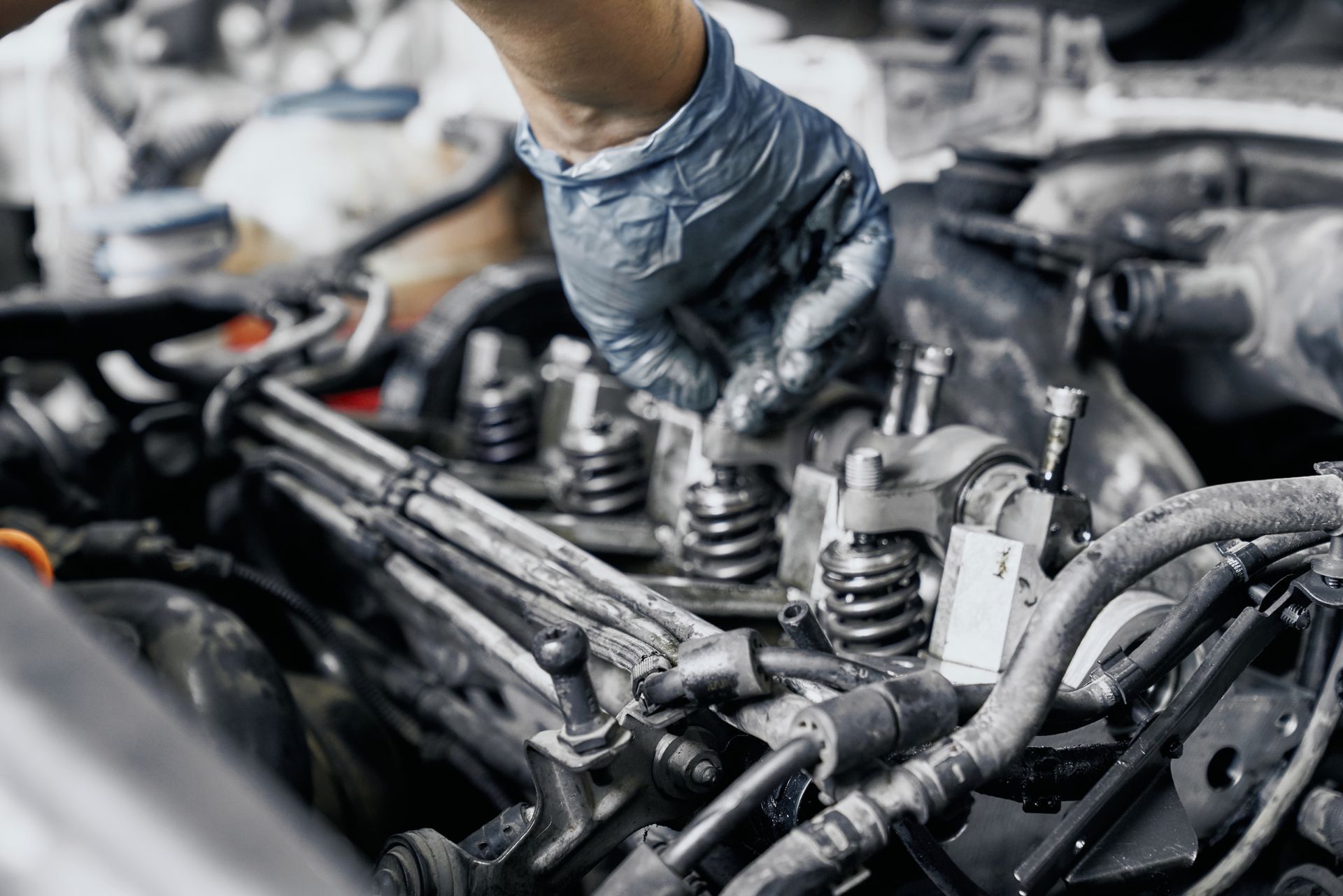
That wear begins in places you cannot see from the outside. Bearings, camshafts, timing components, piston rings, and valvetrain parts depend on a clean oil film to survive. When that film breaks down, friction rises fast, and internal parts start wearing at a rate the engine was never built to handle.
Sludge And Deposits Start Taking Over
Old oil does more than thin out or darken. It begins leaving behind sludge and varnish that collect in passages, around moving parts, and in areas where oil flow needs to stay clean and steady. Once those deposits build up, the engine has a harder time circulating oil where it needs to go.
That is when the problem starts spreading. Restricted oil flow leads to higher temperatures, reduced lubrication, and less protection for timing components and upper engine parts. We often see engines with heavy deposits where the original issue was not abused in a single moment, but rather neglected service over a long period.
Heat Builds Up In All The Wrong Places
An engine already generates tremendous heat during normal operation. Clean oil and a healthy cooling system help control that heat, though overdue service makes the whole system work harder. When oil loses quality and deposits start forming, hot spots develop inside the engine, and internal stress rises.
A few common results start showing up from that point:
- Timing chain components wear faster
- Piston rings lose their ability to seal cleanly
- Bearings start scoring or wearing down
- Seals and gaskets harden from added heat
- Oil consumption begins creeping upward
None of those issues improves on its own. Once heat and poor lubrication start working together, engine wear accelerates.
Combustion Stops Staying Clean And Balanced
Skipped maintenance affects more than lubrication. Spark plugs wear down, air filters load up, fuel system deposits increase, and the engine has to work harder to burn fuel efficiently. At first, the changes may feel small. Idle quality slips, fuel economy drops, and throttle response gets less crisp.
Over time, that rougher combustion adds even more stress inside the engine. Misfires, carbon buildup, and poor fuel trim leave more deposits in places that should stay clean. That creates a cycle in which the engine runs less efficiently, leading to more contamination and even more wear.
Seals, Gaskets, And Timing Parts Feel It Too
Drivers often think of maintenance as something that protects oil life and filters, though the real effect reaches much deeper. Timing chains, guides, tensioners, valve train parts, seals, and gaskets all depend on stable lubrication and controlled heat. When service gets delayed too long, those parts start aging under worse conditions every mile.
That is one reason an overdue engine does not usually stay quiet forever. You start hearing startup rattle, ticking, or chain noise. Oil leaks begin showing up from seals that have spent too long baking in dirty oil and extra heat. During regular maintenance, these wear patterns are far easier to catch before they turn into a much larger repair.
How The Damage Can Get Expensive So Fast
Internal engine wear tends to stack up instead of staying isolated. Worn rings raise oil consumption. Dirty oil speeds timing wear. Heat hardens seals. Deposits restrict flow. One issue pushes the next one forward, and the engine slowly loses the tight internal control it had when it was cared for properly.
That is why waiting too long between services gets expensive in a hurry. What could have been handled with routine fluid and filter service turns into oil leaks, noisy timing components, poor performance, and lower engine life. An inspection at the right time is far cheaper than trying to reverse years of buildup and wear after the engine has already started showing it.
What Good Maintenance Can Prevent
The best part about engine service is that it prevents damage long before a driver feels it. Fresh oil protects moving parts. Clean filters keep contamination under control. Scheduled service helps catch leaks, fluid loss, and early wear before those issues spread deeper into the engine.
Good upkeep does not just keep the car running. It keeps the internal parts cleaner, cooler, and better protected under real driving conditions. That is what gives an engine its best chance at a long, dependable life instead of a slow decline that only becomes obvious once the damage is already there.
Get Engine Maintenance In Libertyville, IL With Pit Shop Auto Repair
If your vehicle is overdue for service, Pit Shop Auto Repair can help you get ahead of the wear before neglected maintenance turns into engine noise, oil consumption, or larger internal repairs. The longer the service gets postponed, the more hidden wear builds inside the engine.
Bring it in now and give the engine a better path forward before small problems turn into costly ones.