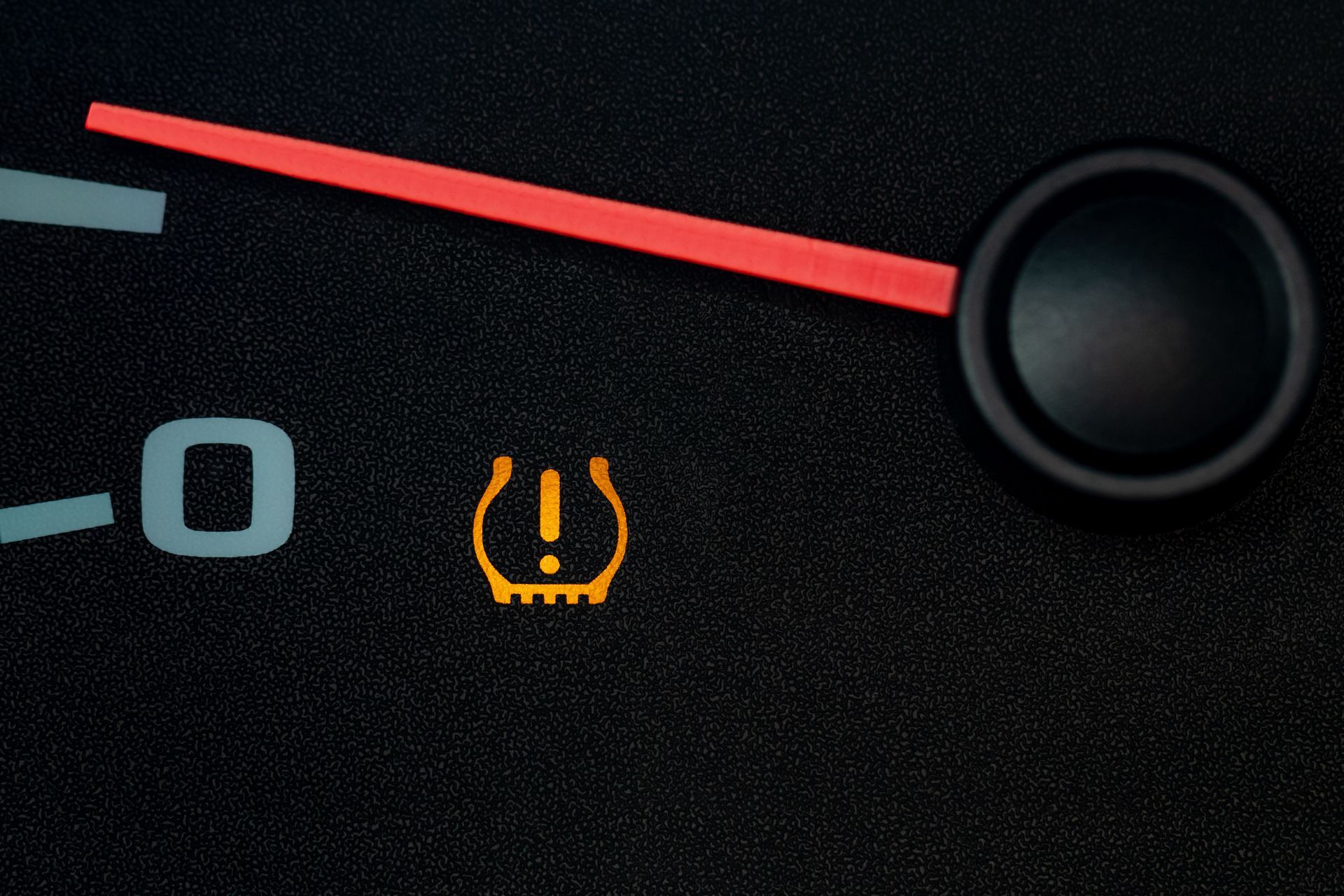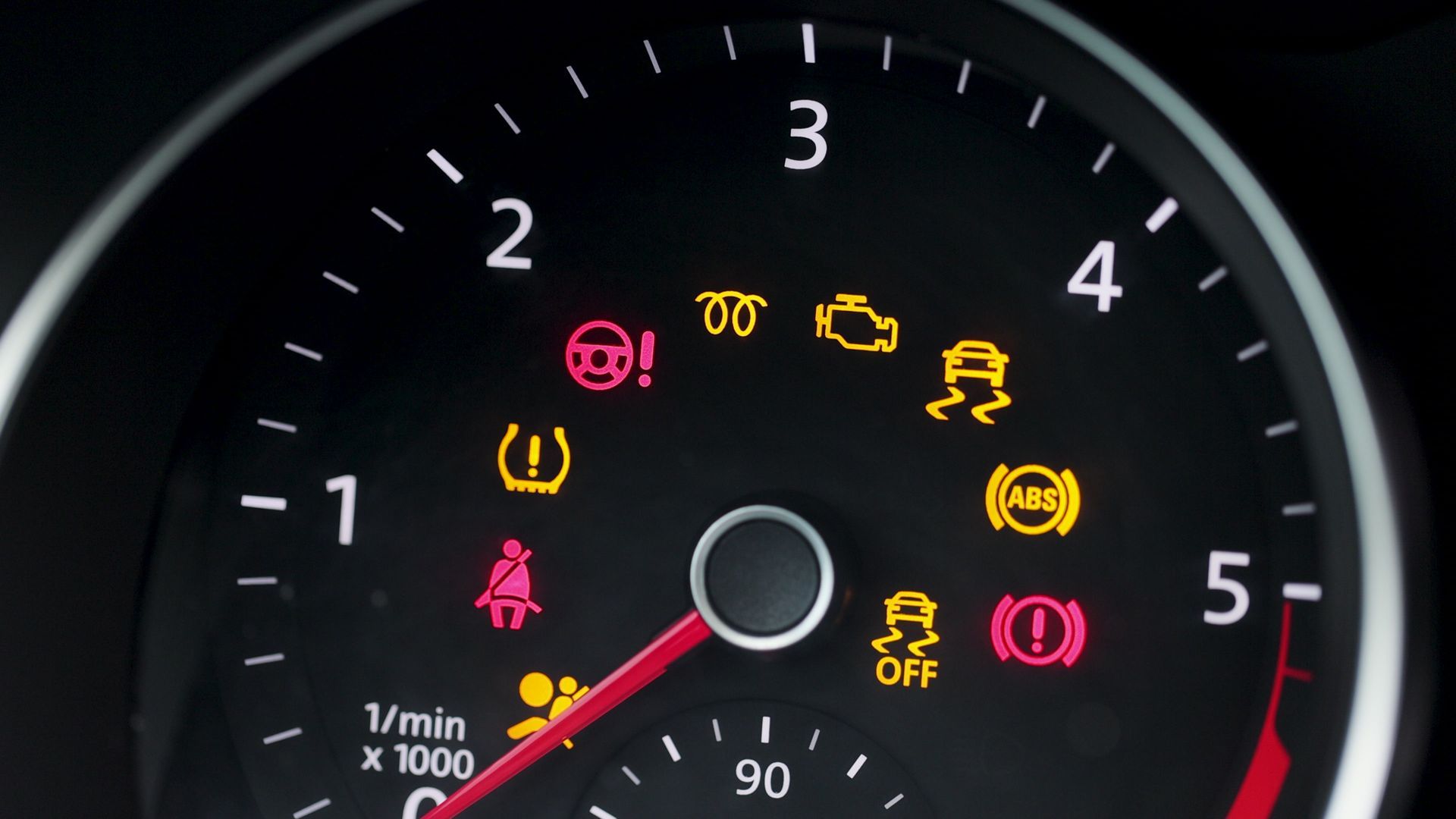
A check engine light that turns on, then disappears, usually means the computer saw a fault during a specific test condition. When the condition goes away, the light can turn off even though the code is still stored as history or pending. That is why the car can feel normal while the light behaves unpredictably.
The key is figuring out what triggers it.
1. Loose Gas Cap Or Small EVAP Leak
The EVAP system runs self-tests at certain times, often after a cold start and a period of steady driving. If the gas cap is not sealing or a vapor hose has a small leak, the test can fail one day and pass the next. That is why the light can appear after fueling, then shut off later.
Tightening the cap until it clicks is worth doing, but it is not the whole story if the light keeps returning. Small EVAP leaks also come from cracked lines, purge valves that do not seal, or vent valves that stick. Fixing an EVAP issue early prevents repeated nuisance lights and keeps fuel vapor control working as designed.
2. Intermittent Misfire From Plugs Or Coils
A light misfire can come and go depending on temperature, humidity, and engine load. Worn spark plugs demand more voltage to fire, and a weak coil may only act up under acceleration or on cold mornings. The engine may still run well enough that you do not notice much besides the light.
If the light ever flashes, treat that as urgent because active misfire can overheat the catalytic converter. Misfire codes also tend to stack, so one weak cylinder can eventually trigger more random-feeling faults. Keeping up with regular maintenance, like plugs at the correct interval, reduces how often this one surprises drivers.
3. Oxygen Sensor Signals That Drift With Heat
Oxygen sensors and air-fuel sensors constantly report whether the engine is running rich or lean. As a sensor ages, it can respond slowly or send signals that occasionally fall outside the expected range. The computer may flag it during one drive cycle, then see normal readings later.
An exhaust leak upstream of the sensor can cause the same behavior, especially when metal contracts in cold weather and gaps open slightly. Wiring near the exhaust can also get heat-stressed and create intermittent dropouts. The right fix depends on verifying whether the issue is the sensor itself, the wiring, or an exhaust leak feeding false data.
4. Small Vacuum Leaks That Show Up At Idle
Vacuum leaks often show themselves at idle or light throttle because the engine is more sensitive to unmetered air at low airflow. A cracked intake boot, brittle vacuum line, or leaking gasket can cause a lean condition that appears in traffic, then disappears during steady cruising. You might notice a slightly rough idle, but not always.
Temperature plays a role here too because rubber hardens and seals shrink in the cold. That can turn a minor leak into a repeat code on cold mornings, then calm down once everything warms and expands. Left alone, vacuum leaks can create drivability quirks and raise engine temperatures under certain conditions.
5. Fuel Delivery Or MAF Sensor Issues Under Load
Fuel delivery problems can be subtle until the engine is under load, like merging, climbing hills, or accelerating onto the highway. A weak fuel pump, a restricted fuel filter on vehicles that still use one, or injectors that are not flowing evenly can trigger lean codes that come and go. The car may feel fine around town and only complain during higher demand.
A mass airflow sensor can also be part of this, especially if it is contaminated and under-reporting airflow. The computer adjusts fuel trims to compensate, but it has limits, and that is when the light appears. We check live data and fuel trims so the repair targets the real cause instead of replacing parts at random.
6. Low Voltage Events And Charging System Fluctuations
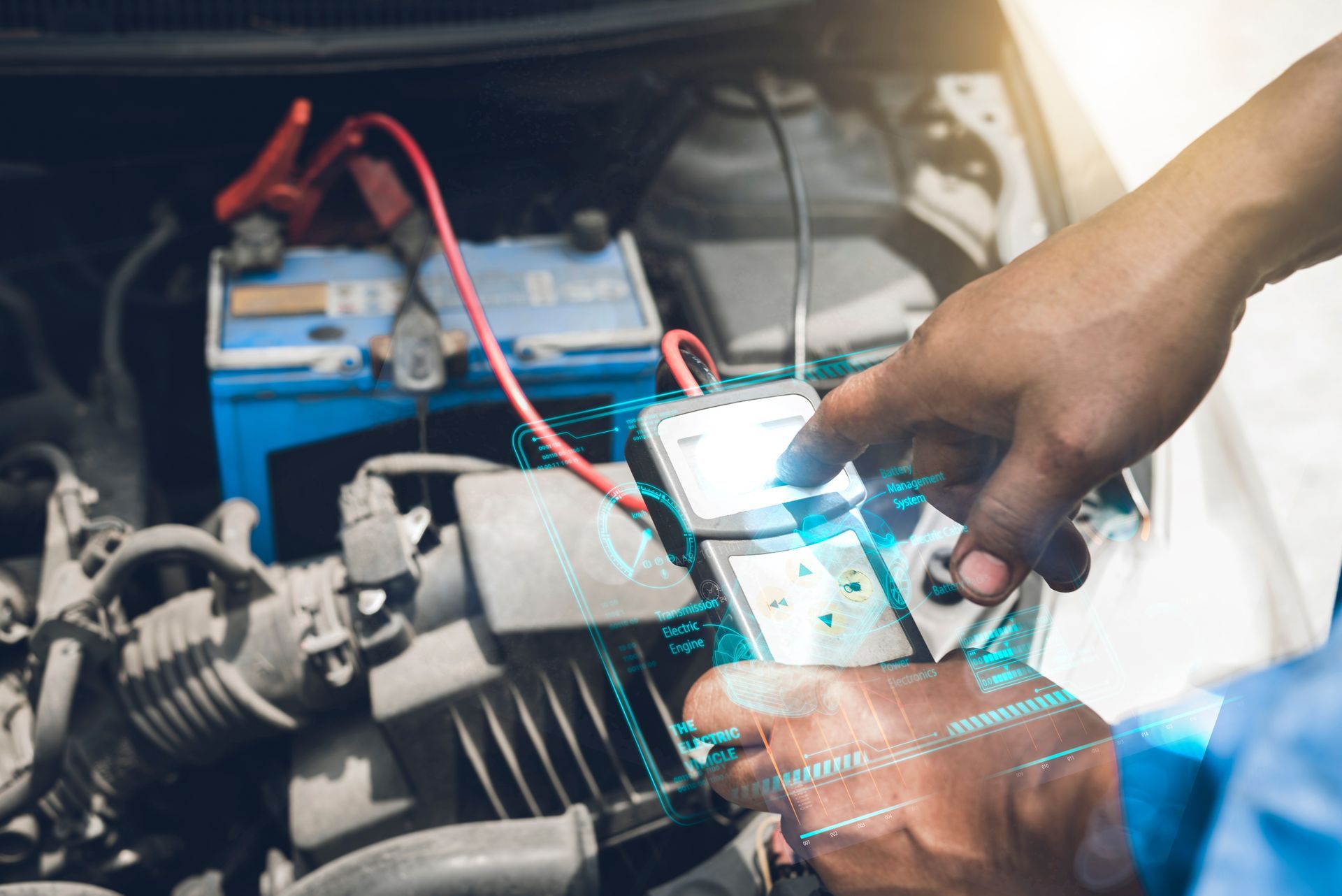
Low system voltage creates weird warning behavior because modules rely on stable power to communicate and self-test. A weak battery, corroded terminals, or an alternator that is not regulating consistently can trigger codes that appear after start-up, then vanish after a longer drive. This often happens more in winter because cold cranking demands more from the battery.
You may notice small hints like slower cranking, flickering lights at idle, or electronics resetting. Voltage issues also make other systems look guilty, which is why confirming charging health early saves time. Our technicians look for voltage drop at connections, proper charging output, and any stored low-voltage history that matches when the light appeared.
Get Check Engine Light Service In Libertyville, IL With Pit Shop Auto Repair
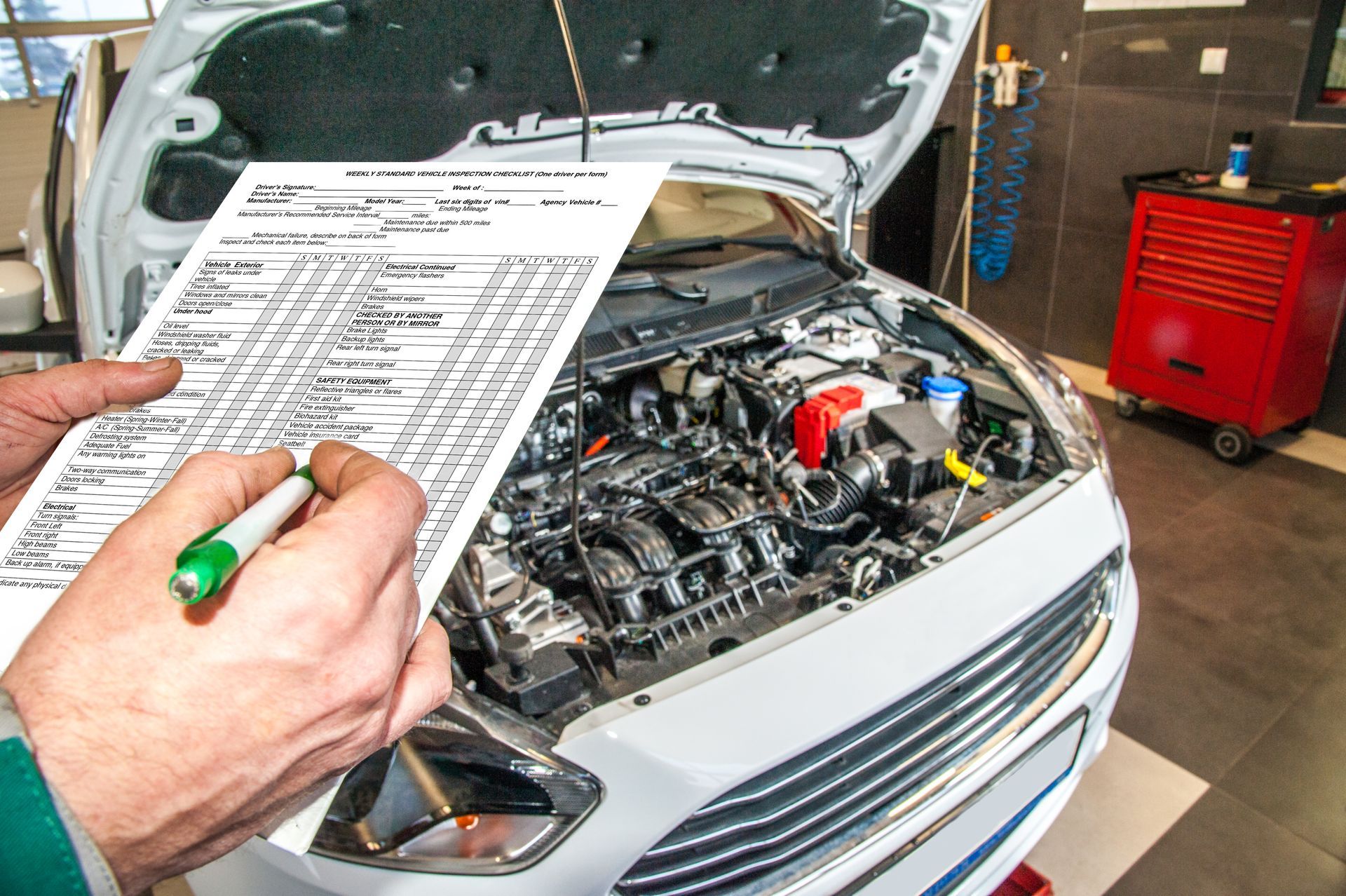
The right next step is a focused inspection that captures the stored code, the freeze-frame data, and the conditions that triggered the light in the first place. Schedule service with Pit Shop Auto Repair in Libertyville, IL, so the fix matches the fault instead of guessing based on symptoms.
You will leave knowing what caused it and what to do next.