We have all noticed the numbers creeping up at the gas pump lately. It seems like every time you fill your tank, it costs a little bit more than the last time. When money starts disappearing into the fuel tank faster than usual, most people start looking for ways to cut back on driving. However, the problem might not be how much you drive, but how hard your engine has to work to get you there.
At our shop, we see vehicles every day that are using more fuel than they should. The change usually happens slowly, so it is easy to miss at first. A tune-up can often bring that lost efficiency back and help your engine run the way it was designed to.
What Does a Tune-Up Look Like
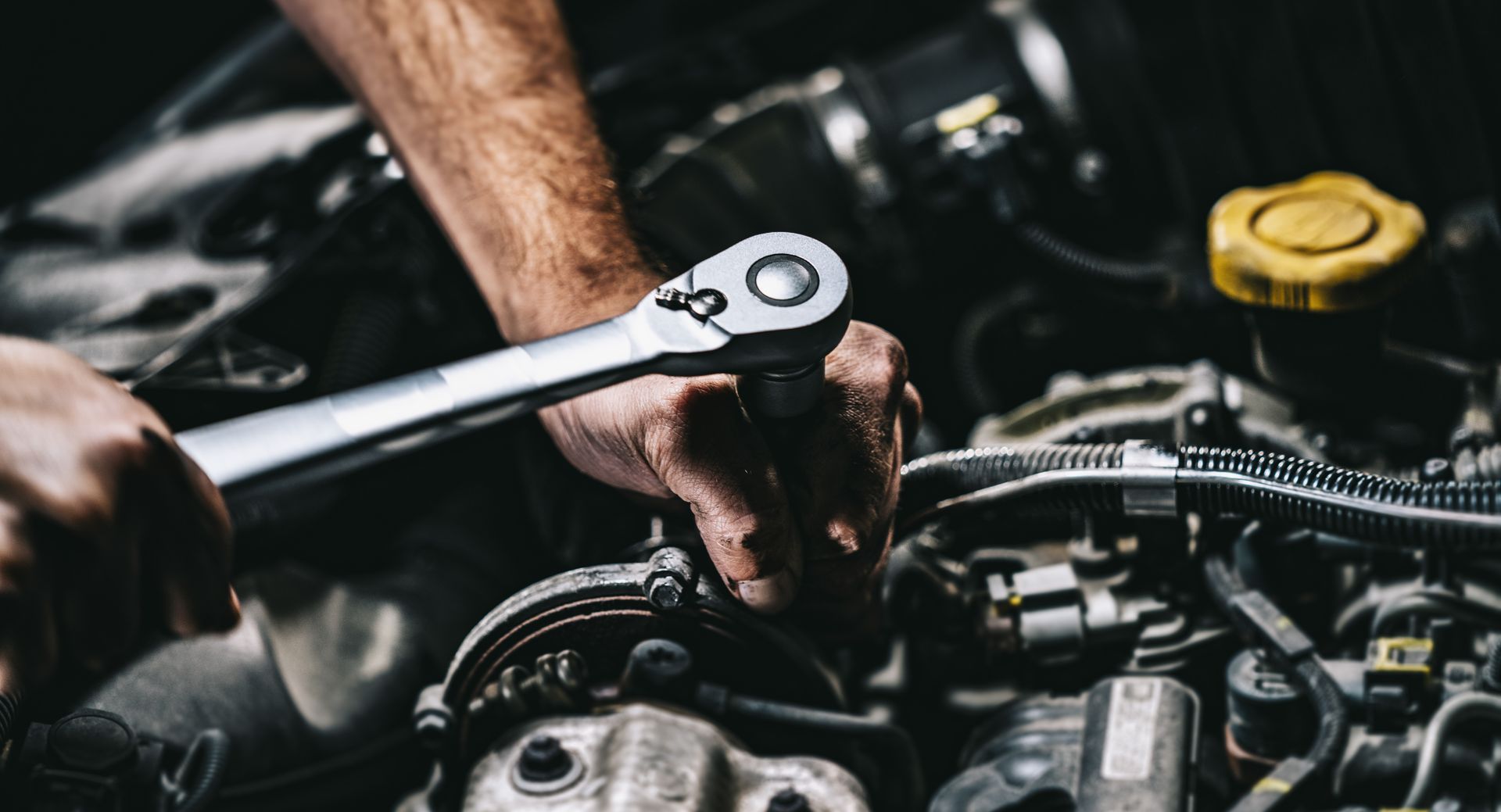
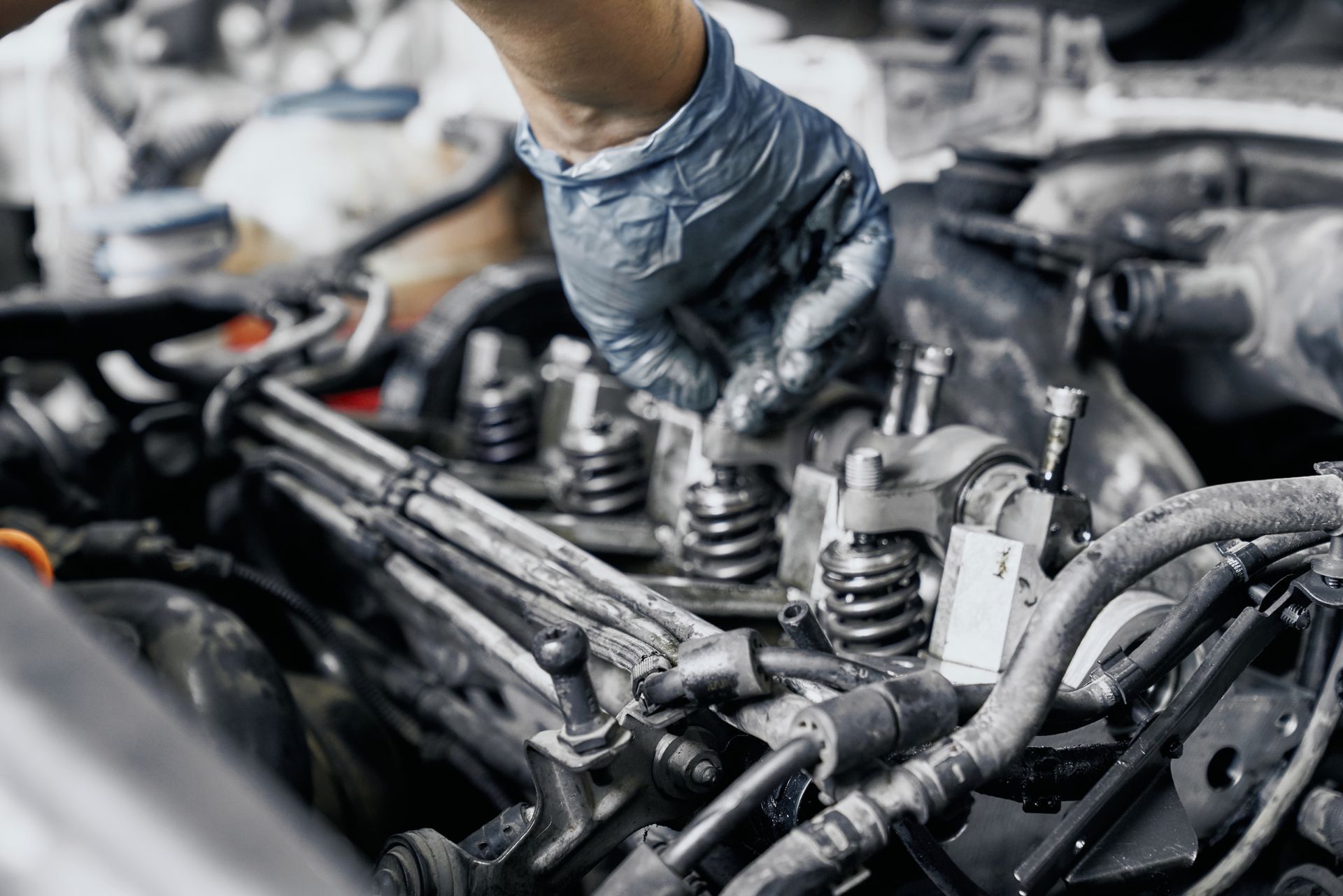
The term tune-up has changed over time. Modern vehicles do not need the same adjustments older cars once did, but they still rely on clean, properly working components. A tune-up today focuses on maintaining the parts that directly affect fuel efficiency.
That includes spark plugs, air filters, fuel system components, and sensors. Each of these plays a role in how well your engine burns fuel.
Worn Spark Plugs Can Waste Fuel
Spark plugs ignite the air and fuel mixture inside your engine. When they wear out, that ignition process becomes less efficient.
Even if you do not feel a misfire, worn plugs can cause incomplete combustion. That means fuel is not being fully used to power the engine. Replacing old spark plugs can improve both performance and fuel economy.
A Dirty Air Filter Restricts Performance
Your engine needs a steady flow of clean air to run efficiently. When the air filter becomes clogged, the engine has to work harder to pull in air.
This disrupts the proper air and fuel balance and leads to increased fuel use. A clean air filter helps restore that balance and allows the engine to operate more efficiently.
Fuel System Build-Up Reduces Efficiency
Over time, fuel injectors can develop deposits that affect how fuel is delivered. Instead of spraying a fine mist, they may release fuel unevenly.
That uneven delivery reduces combustion efficiency and can lead to wasted fuel. Cleaning the fuel system helps restore proper spray patterns and improves overall engine performance.
Sensors Can Affect Fuel Usage
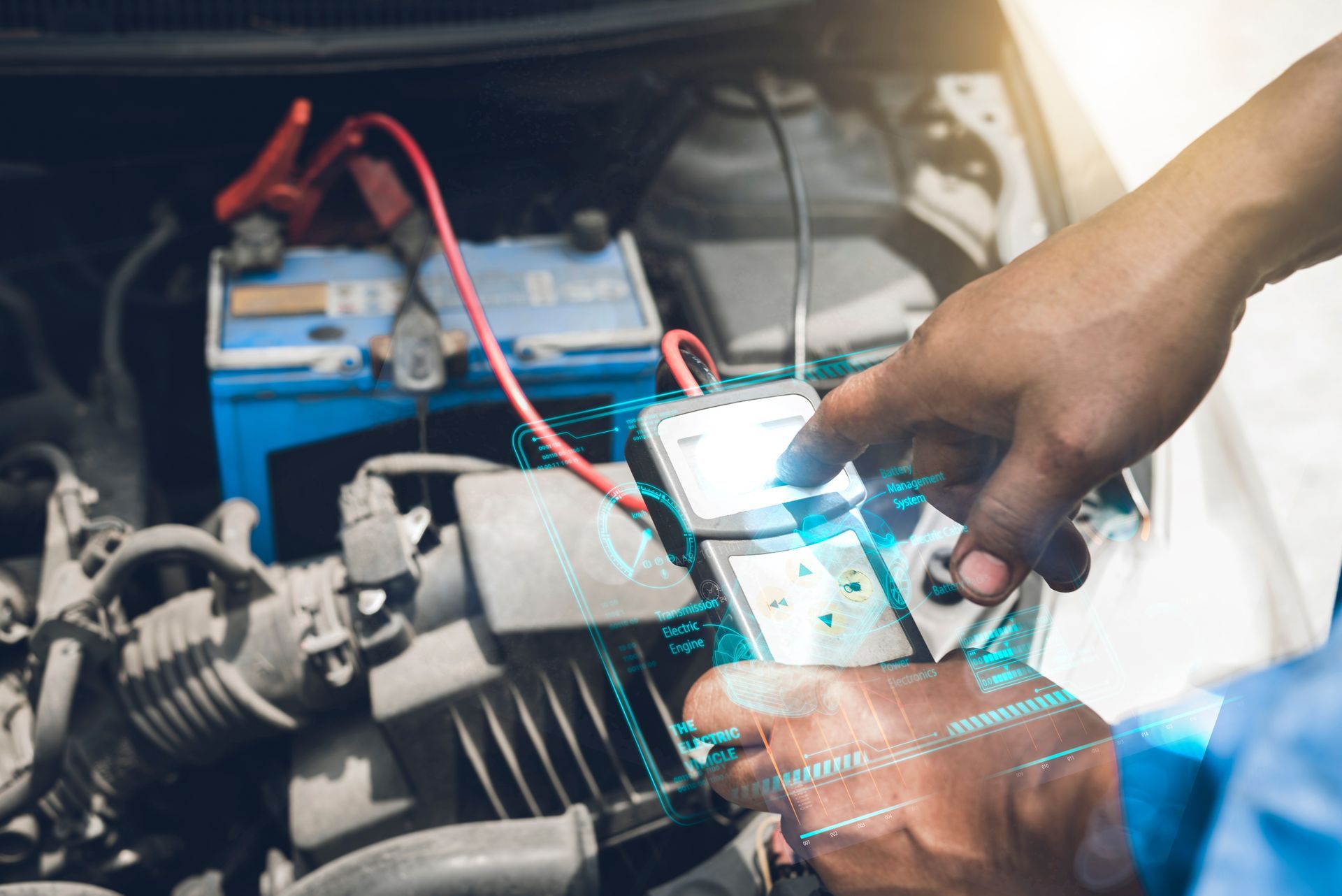
Modern vehicles rely on sensors to adjust fuel delivery. One key component is the oxygen sensor, which helps regulate the air-fuel mixture.
When sensors become worn or slow, they may send incorrect data. This can cause the engine to use more fuel than necessary. Replacing failing sensors can help restore proper efficiency.
Other Factors That Affect Gas Mileage
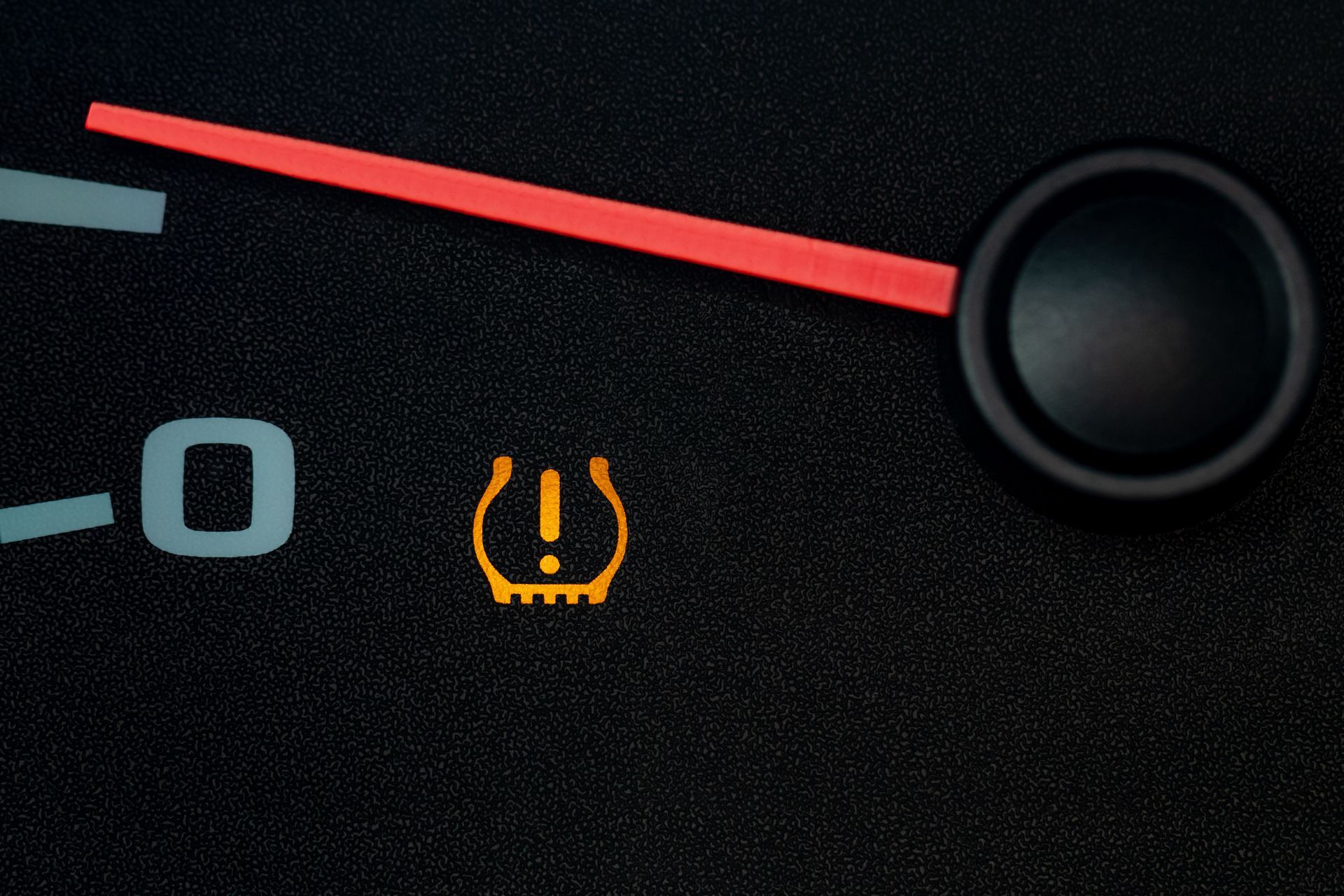
Fuel efficiency is not only about the engine. Tire pressure and alignment also play a role.
Low tire pressure increases rolling resistance, making the engine work harder. Poor alignment creates drag and uneven wear. Both conditions can reduce gas mileage over time.
Small Issues Add Up Over Time
Many drivers do not notice fuel efficiency dropping right away. It often happens gradually as parts wear down or become dirty.
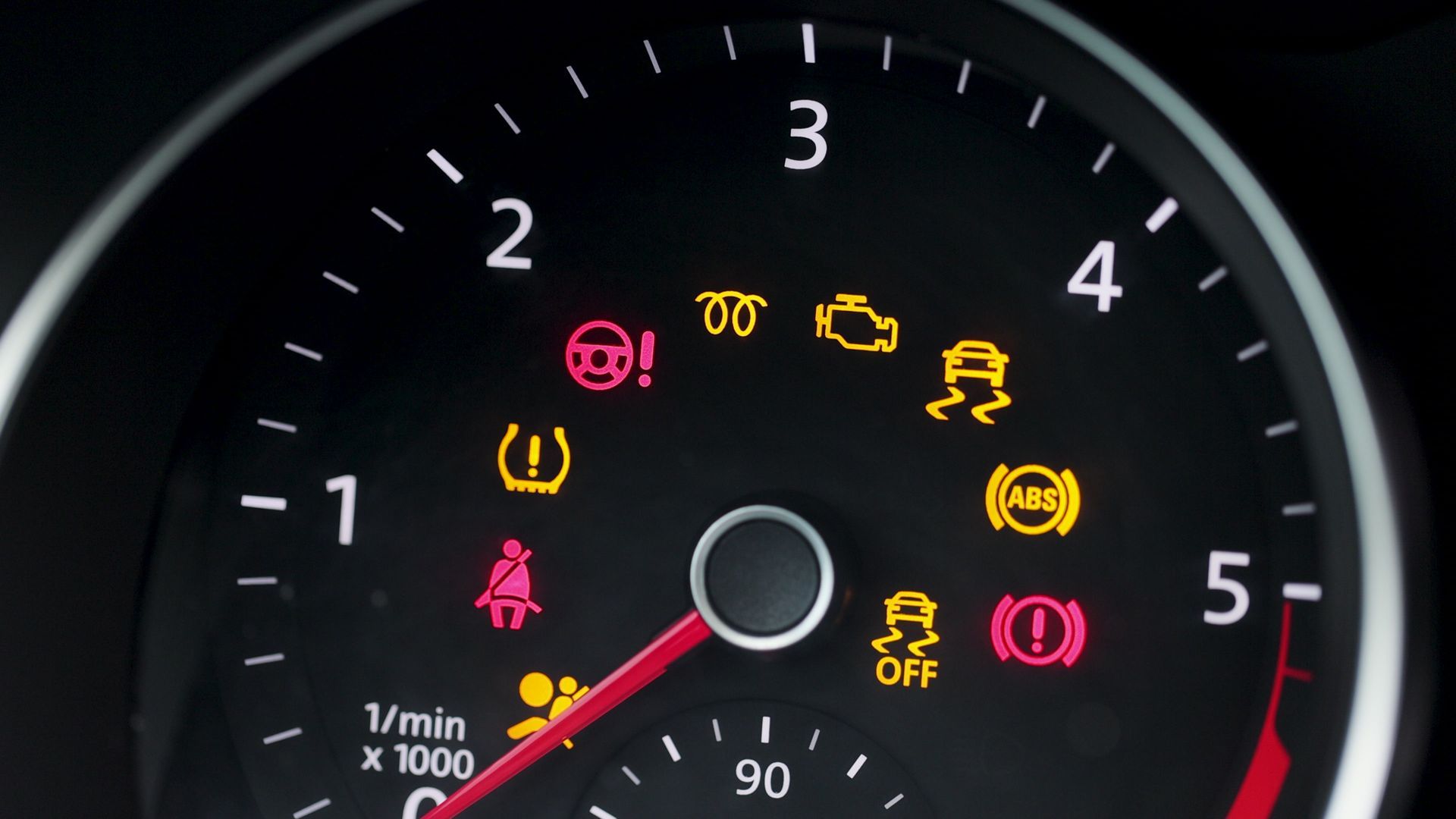
A slightly clogged filter, aging spark plugs, or a weak sensor may not trigger a warning light, but together they can reduce efficiency. Regular maintenance helps catch these issues before they affect your fuel costs.
Why A Tune-Up Can Save You Money
A tune-up helps your engine run more efficiently, which means it uses less fuel to do the same work. Over time, that can reduce how often you need to fill up.
The cost of maintenance is often much lower than the extra money spent on fuel when a vehicle is not running efficiently. It also helps extend the life of key engine components.
Get Better Fuel Efficiency With Pit Shop Auto Repair
If your vehicle is not getting the mileage it used to, it may be time for a tune-up. Pit Shop Auto Repair in Libertyville, IL, can inspect your vehicle, replace worn components, and help restore lost efficiency.
Call us today or stop by to schedule your tune-up and start getting more out of every tank.